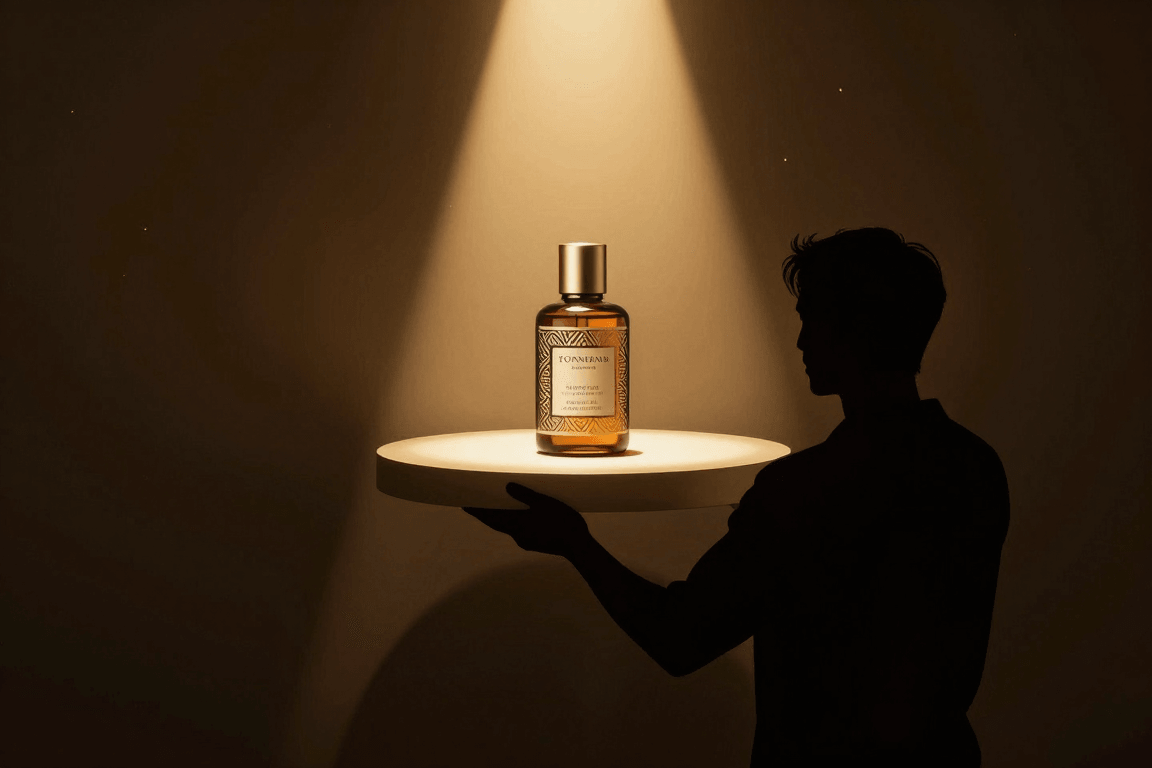
Every piece of advice about building a personal brand says roughly the same thing: show up, be visible, share your story, put yourself out there.
Which is fine, if you want that. But a lot of people do not. Artists who value privacy. Designers who want the work to speak, not the person. Makers who would rather ship products than grow a following. People who, for any number of reasons, do not want their name and face tied to their income.
The advice they usually get is: "You have to be visible to sell." That is not quite true. What buyers actually need is trust. Visibility is one way to build trust. It is not the only way.
The False Choice
The framing of "personal brand vs anonymous business" sets up a choice that does not really exist in the middle, where most sellers actually land.
You do not have to be a faceless corporation with stock photos and zero personality. You also do not have to post your daily life on Instagram and make your name searchable to anyone who looks.
There is a wide space between those two. Sellers who share their craft without sharing their calendar. Who write about their process without writing about their family. Who build an "about" section that creates connection without creating exposure.
The goal is not to hide. The goal is to decide what you share and what you keep. That is a different thing.
Buyers trust what feels real. Real does not have to mean personal. It can mean specific, honest, and consistent.
What Buyers Actually Need to Trust You
Before someone buys from an unfamiliar seller, they are running a quick mental check. Not consciously, but it happens. They are asking: is this real, is this person competent, and will I get what I paid for?
None of those questions require knowing your name or seeing your face. They get answered by other signals:
You can build all four of these without showing your face.
Storytelling Without Oversharing
The thing that makes a brand feel human is not selfies. It is specificity and point of view.
Compare these two product descriptions for the same ceramic mug:
The second one does not include a name, a face, or any personal information. It still sounds like someone is there.
You can do this across everything you write: product descriptions, your about page, shipping notes, follow-up emails. Specific details and small opinions create voice. Voice creates trust. Trust sells.
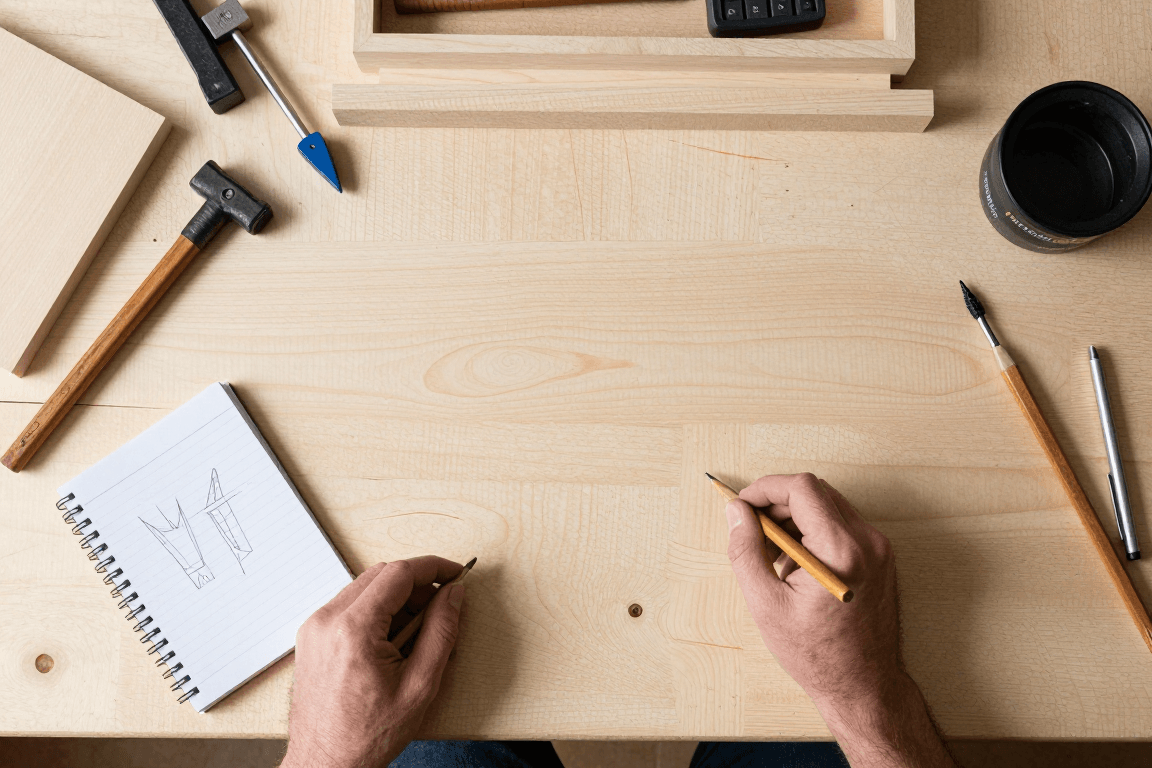
What to Put on Your About Page
The about page stresses a lot of sellers out. Especially ones who do not want to be visible. "What do I even say if I am not talking about myself?"
Here is a practical structure that works without requiring personal exposure:
- What you make and why it exists (not your life story, just the purpose)
- How it is made (process, materials, what makes it different)
- Who it is for (be specific, "for people who want X without Y")
- One honest limit or caveat (builds trust more than a list of superlatives)
- How to reach you (email is enough, no social required)
That structure creates a real about page. It has a point of view, it is specific, it answers the trust questions. It does not require your name, your photo, or your city.
Niamh makes and sells botanical print posters. Her about page says: "I print these in small batches in my studio. Each one is inspected before shipping. I choose plants that most people recognize but that do not show up in generic poster stores. If a batch does not meet my standard, I do not ship it." No surname. No photo. She gets repeat buyers who email her to ask when the next batch drops.
Privacy Boundaries: What to Decide Before You Start
Before you create any public presence, it helps to decide your lines. Not because you will be forced to cross them, but because having clarity makes decisions faster when they come up.
Some things to decide:
You can be warm, specific, and trustworthy while keeping all of the second column completely private. Nothing in the second column is required for buyers to trust you.
Building a Brand Around a Studio Name
If using your own name feels too exposed, a studio name works well and often better. It is easier to maintain across platforms, cleaner for invoices and legal purposes, and creates separation between you as a person and you as a seller.
A good studio name is:
- Memorable and easy to spell
- Connected to what you make or how you make it
- Available as a domain and social handle (check early)
- Something you can live with for a long time
"Made by [First name]" is also legitimate if you want the warmth of a personal name without the last name. Sofia at Stoneground Studio. Markus at North Shelf Press. The first name adds human warmth; the studio name creates the brand.
From a trust perspective, a studio name does not hurt. Buyers trust Oatly, Le Labo, and Aesop. None of those names are people's names. What they trust is the consistency and specificity of how those brands present themselves. You can build that at a much smaller scale.
Selling Well Without Being Famous
The sellers who struggle most with the "personal brand" question are often the ones who think scale requires fame. It does not.
If you want to sell 50 units a month, you do not need ten thousand followers. You need a clear product, a trustworthy page, and a consistent way of reaching people who want what you make. We covered how to attract the first 1,000 visitors without a budget if you want the channel breakdown. And if you are still figuring out whether your offer works, the guide on testing your offer quickly is worth reading first.
The point is: the scale most independent sellers actually need is reachable without public persona. What it requires is consistency of voice, clarity of product, and enough trust signals on the page that a stranger feels comfortable buying.
None of that requires your face.
Quick Wins: What to Do Today
Pick your main product. Replace vague words (quality, beautiful, unique) with concrete ones (dimensions, materials, location, how it is made). Read it aloud. Does it sound like a person?
Time: 20 minutes.
Use the five-part structure from above. What you make, how it is made, who it is for, one honest caveat, and how to reach you. Skip your photo and surname if you want them private. Put in the specifics instead.
Time: 30-45 minutes.
Write down the two columns: what you share, what you keep private. Pin it somewhere. When a social platform suggests something that crosses your private column, you will know the answer without having to think about it.
Time: 10 minutes.
Common Objections
"Won't buyers think it is suspicious if they can't find me?" Some will wonder who you are. But buyers mostly trust the page and the product, not the search results. A clear product page with a few reviews will outperform a highly personal brand with bad photos every time.
"Don't I need to be on social media?" No. Social can drive traffic, but it is not required. A product page with a strong description and a small paid campaign, or a link shared in the right community, is enough to start. We covered how to make your first sales with zero audience with no social media required.
"What if someone asks personal questions?" Answer with warmth and redirect to the product. "I keep most of my personal life offline, but happy to answer anything about how this is made or how to care for it." Most buyers asking personal questions are just trying to connect. You can give them connection through the work.
You get to decide what kind of seller you are. Visible or quiet, personal or private, face-first or craft-first. All of those work. Pick the one you can sustain, and build from there.